You’re tired all the time, your hair is thinning, and your focus is foggy—but your doctor says your blood work is “normal.” Sound familiar? You could still be iron deficient, even without full-blown anemia. Let’s decode what standard tests often miss—and how to catch iron issues before they escalate.
The Iron basics
Iron is essential for:
Oxygen transport (via hemoglobin)
Mitochondrial energy production
Thyroid function and metabolism
Hair growth and skin regeneration
Immune response
Low levels affect way more than just your red blood cells.
Root causes of low Iron
Menstrual blood loss
Gut absorption issues (IBS, celiac, low stomach acid)
Chronic inflammation
Vegan/vegetarian diets without proper planning
Postpartum depletion
Common symptoms of Iron deficiency (without anemia)
Chronic fatigue
Brittle nails, hair loss, or dry skin
Restless legs or muscle aches
Brain fog and poor concentration
Shortness of breath or racing heart
Sensitivity to cold
Why Standard Blood Tests Aren’t Enough
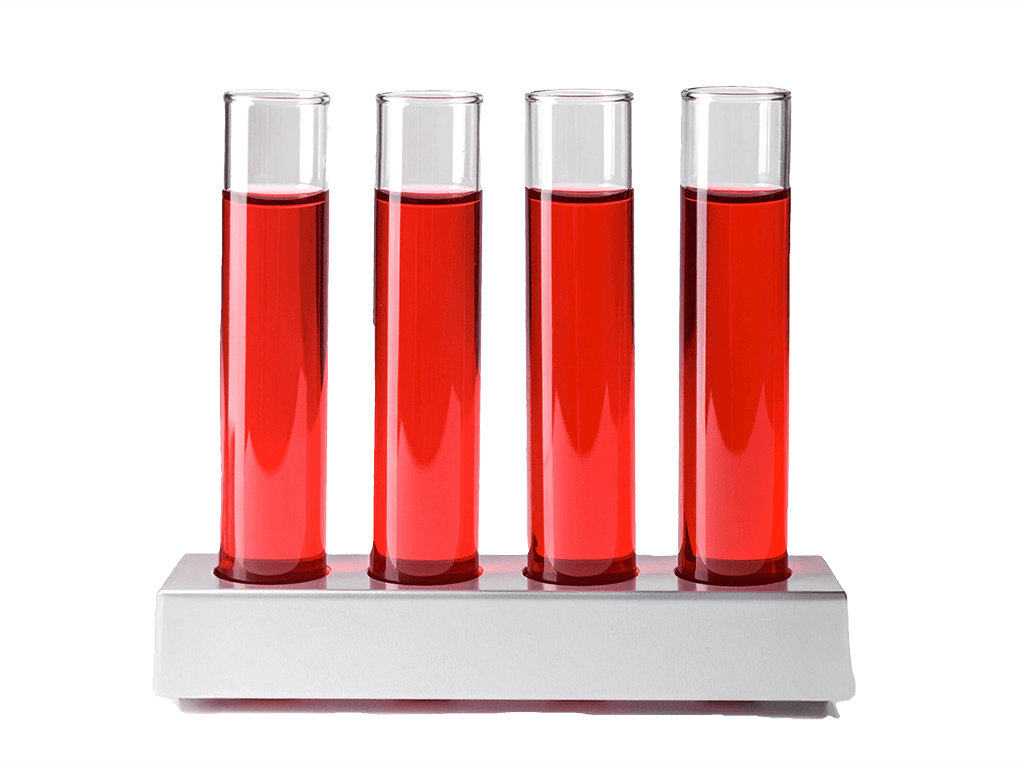
Typical panels only look at hemoglobin and hematocrit. But that doesn’t reflect stored iron (ferritin), which can drop long before anemia shows up. And high ferritin? Doesn’t always mean you're in the clear—it can also reflect inflammation, not iron sufficiency.
Functional markers I use at Lumin
Ferritin (ideal 70–100 for women)
Serum iron and transferrin saturation
Total iron-binding capacity (TIBC)
Inflammatory markers (to interpret ferritin correctly)
A smarter Iron support strategy
Gut healing to improve absorption
Gentle iron bisglycinate or food-based formulas
Cofactor nutrients: vitamin C, B12, folate
Addressing heavy periods or underlying GI dysfunctions
Conclusion
If you’ve been dismissed but still feel drained, look deeper. At VivaSana, we treat iron status with nuance—because your energy deserves better answers.